%2Ffit-in%2F250x250%2Fguide_websites%2F181312%2Fimages%2F1789660837250kfllogorusty.jpg&w=1920&q=100)
/users/a4b1b40c-85d4-49f0-b202-8dcba85ea67d/ratecard/papaleehamptrout-mrldf37l.jpg)
%2F300x300%2Fusers%2Fa4b1b40c-85d4-49f0-b202-8dcba85ea67d%2Fratecard%2Fpapaleehamptrout-mrldf37l.jpg&w=256&q=75)
%2F300x300%2Fusers%2Fa4b1b40c-85d4-49f0-b202-8dcba85ea67d%2Fimages%2Fdestin-speckled-trout-fishing-success-2647.jpg&w=256&q=75)
%2F300x300%2Fusers%2Fa4b1b40c-85d4-49f0-b202-8dcba85ea67d%2Fimages%2Ffamily-fishing-destin-florida-boat-2673.jpg&w=256&q=75)
%2F300x300%2Fusers%2Fa4b1b40c-85d4-49f0-b202-8dcba85ea67d%2Fimages%2Fdestin-speckled-trout-catch-2717.jpg&w=256&q=75)
%2F300x300%2Fusers%2Fa4b1b40c-85d4-49f0-b202-8dcba85ea67d%2Fimages%2Fdestin-speckled-trout-fishing-success-2677.jpg&w=256&q=75)
%2F300x300%2Fusers%2Fa4b1b40c-85d4-49f0-b202-8dcba85ea67d%2Fimages%2Fdestin-fishing-tournament-awards-2594.jpg&w=256&q=75)
%2F300x300%2Fusers%2Fa4b1b40c-85d4-49f0-b202-8dcba85ea67d%2Fimages%2Fwhite-catfish-destin-florida-fishing-2800.jpg&w=256&q=75)
%2F300x300%2Fusers%2Fa4b1b40c-85d4-49f0-b202-8dcba85ea67d%2Fimages%2Fdestin-fishing-boat-waters-2591.jpg&w=256&q=75)
%2F300x300%2Fusers%2Fa4b1b40c-85d4-49f0-b202-8dcba85ea67d%2Fimages%2Fdestin-speckled-trout-catch-2634.jpg&w=256&q=75)
%2F300x300%2Fusers%2Fa4b1b40c-85d4-49f0-b202-8dcba85ea67d%2Fimages%2Fdestin-speckled-trout-catch-2853.jpg&w=256&q=75)
%2F300x300%2Fusers%2Fa4b1b40c-85d4-49f0-b202-8dcba85ea67d%2Fimages%2Fdestin-redfish-fishing-success-2644.jpg&w=256&q=75)
Family Fishing Charter Golden Isles
 Saint Simons Island, Georgia
What you will be catching:
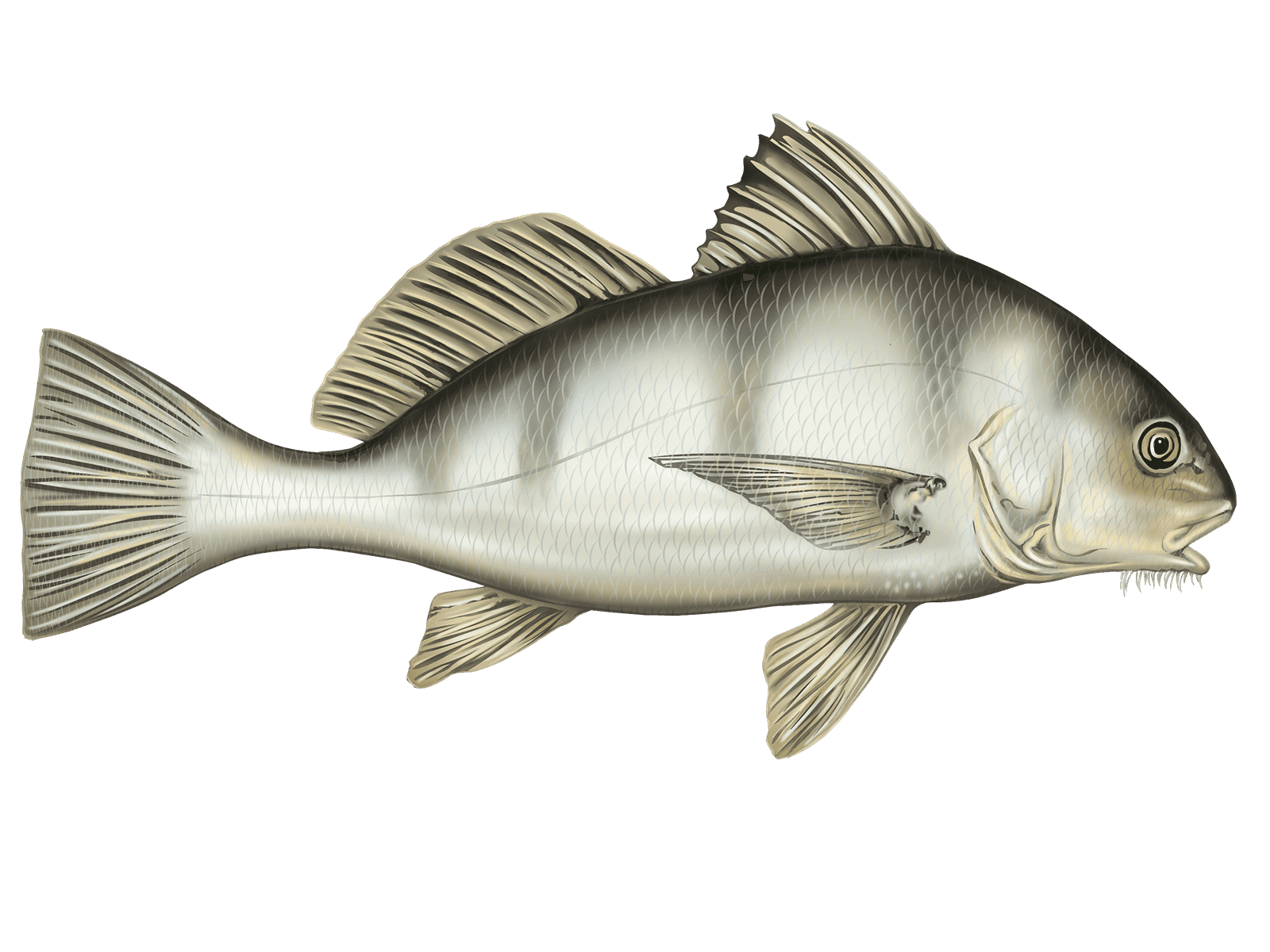
 Black Drum
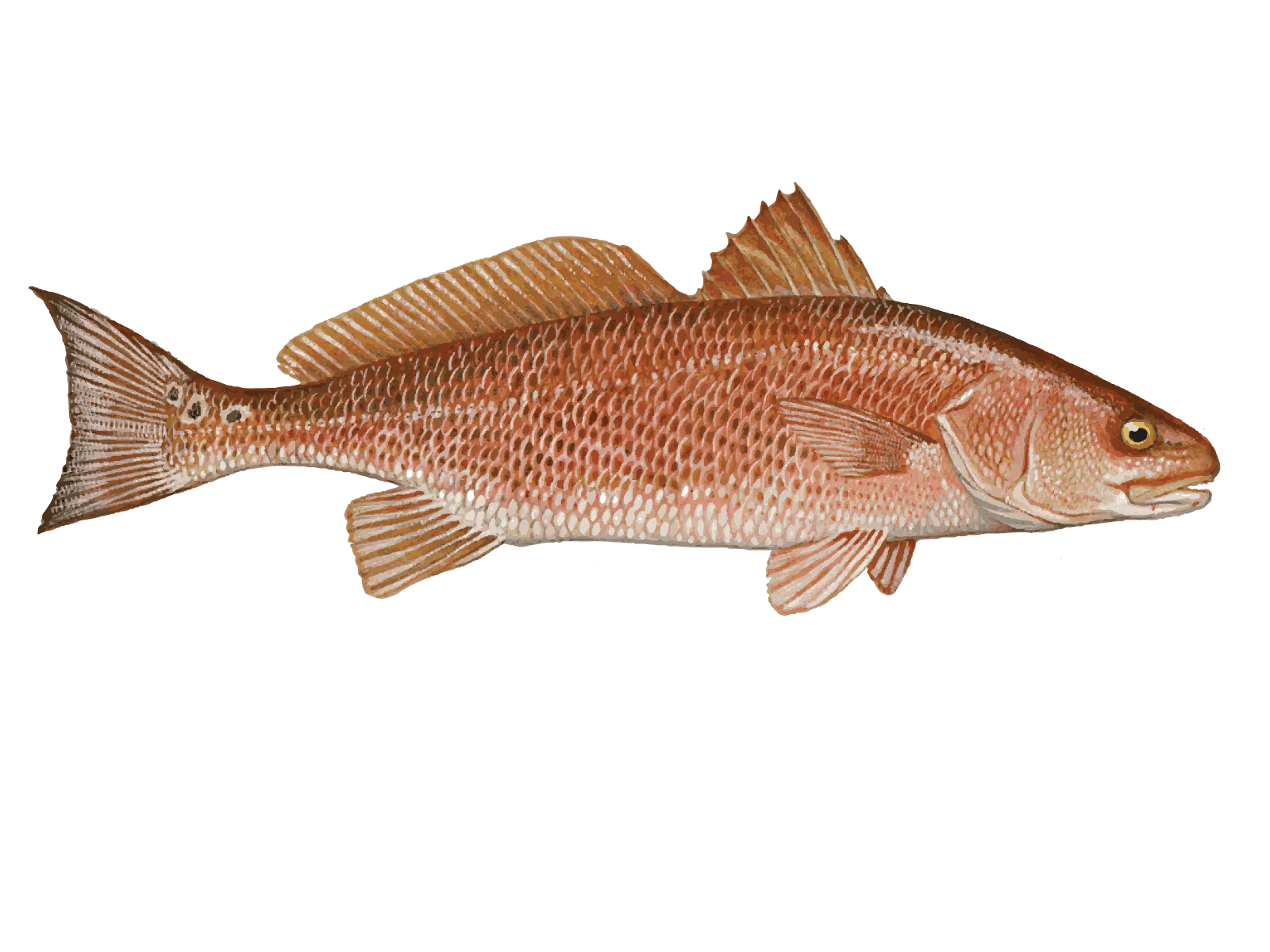
 Redfish
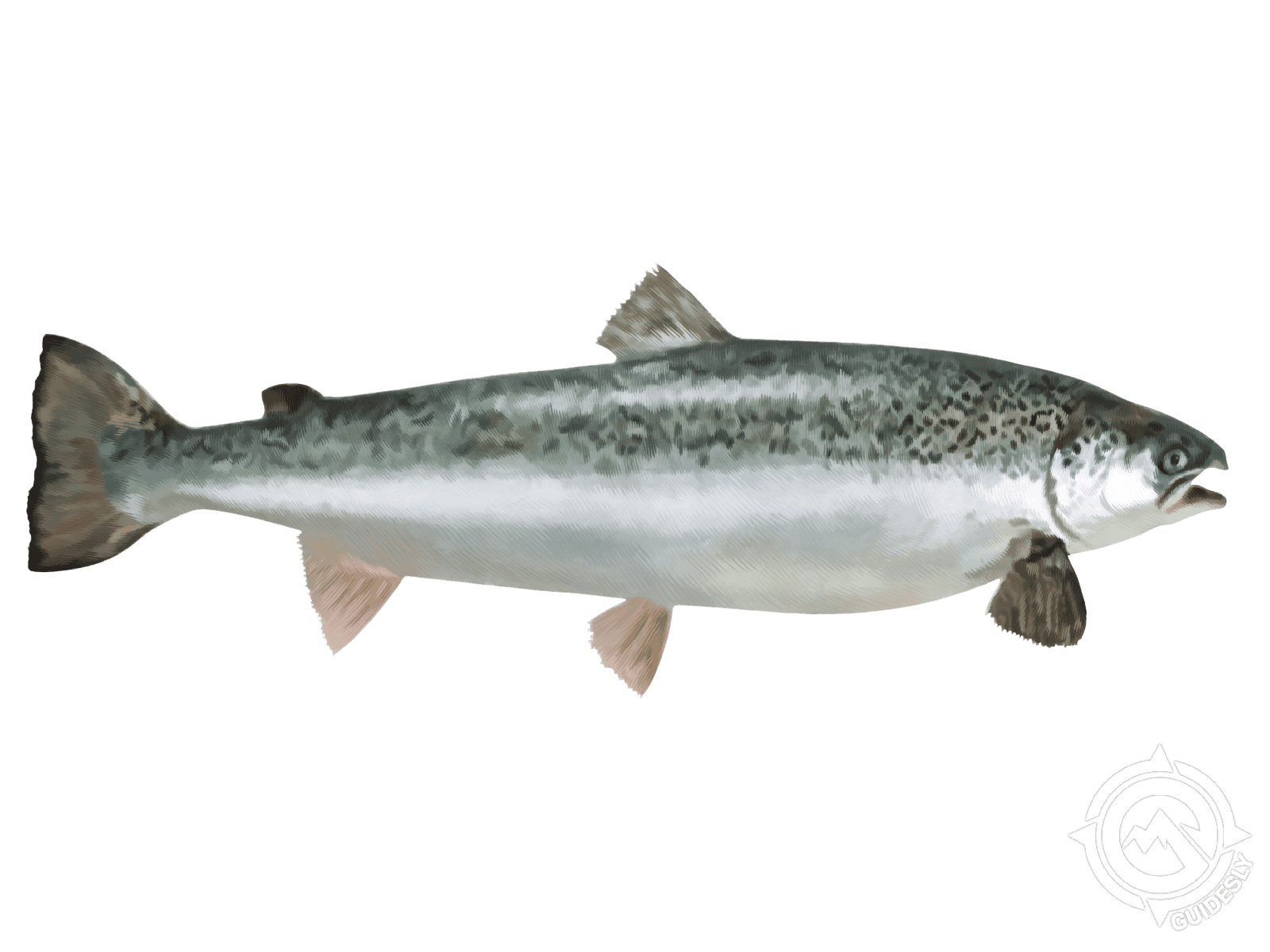
 Sea Trout
 Sheepshead
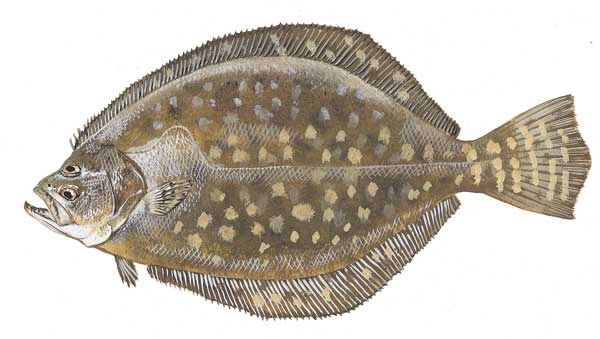 Southern Flounder
- Three-hour beginner-friendly saltwater fishing from St. Simons Island
- Target small sharks, whiting, and trout with premium light tackle
- All equipment, licenses, bait, and fish bagging provided onboard
Trip Pricing and Availabilities:
Family Fishing Charter Golden Isles
Looking for the perfect way to get your kids hooked on saltwater fishing? This 3-hour inshore charter out of St. Simons Island is exactly what you need. Captain Kennedy has designed this trip specifically for families and first-timers who want to experience the real deal without getting overwhelmed. You'll target species that actually bite – small sharks, whiting, trout, and other cooperative fish that'll keep everyone's rods bent and spirits high. At $400 for two anglers with space for up to six guests, this top-rated charter includes everything you need: licenses, bait, premium light tackle, safety gear, and fish cleaning service.
What to Expect on the Water
Your adventure starts at the St. Simons Island marina where you'll meet Captain Kennedy and board his well-equipped 24-foot bay boat. This isn't some rushed cattle-boat operation – with a max of six passengers, everyone gets personal attention and plenty of elbow room. The captain knows these Golden Isles waters like the back of his hand, and he'll position you over productive inshore spots where the fish are actually feeding. Expect to fish around grass flats, oyster bars, and creek mouths where the baitfish congregate and predators follow. The shallow draft boat lets you access prime fishing areas that bigger vessels can't reach, giving you a real advantage. Kids love the action-packed nature of this trip because there's always something happening – whether it's a trout hitting topwater or a small shark making its first run.
Light Tackle & Live Bait
Captain Kennedy runs a first-class operation with premium light spinning tackle that's perfect for beginners and seasoned anglers alike. You'll be fishing with quality rods and reels that can handle everything from 12-inch whiting to 20-pound redfish without being too heavy for smaller hands. The boat stays stocked with fresh live bait – usually shrimp, mud minnows, and finger mullet – plus a full selection of artificial lures for when the fish are being picky. Don't worry about bringing anything; terminal tackle, weights, hooks, and leaders are all provided. The captain will show newcomers proper casting techniques, how to feel a bite, and the right way to fight a fish without losing it at the boat. This hands-on approach means everyone learns something, whether you're 8 or 80 years old.
Species You'll Want to Hook
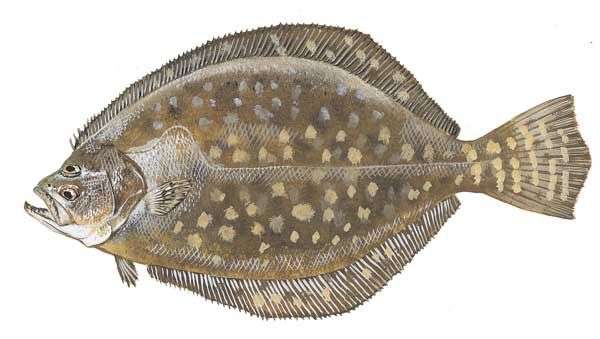
Southern Flounder are the ultimate ambush predators, lying buried in sandy bottom areas waiting for unsuspecting baitfish to swim by. These flatfish can reach impressive sizes – up to 8 pounds in local waters – and they're absolute bulldogs when hooked. Fall months from September through November offer the best flounder action as they stage near inlets before heading offshore to spawn. What makes them so exciting to catch is their aggressive strike followed by that classic head-shaking fight that keeps you guessing until they're in the net.
Black Drum are the gentle giants of the inshore flats, often cruising in small schools around oyster bars and bridge pilings. These copper-colored bruisers can weigh anywhere from 5 to 30 pounds in these waters, and they're famous for their dogged, bottom-hugging fight style. Spring and fall see the best drum fishing when water temperatures are moderate. Kids get a real kick out of these fish because they pull hard and steady – like hooking into a underwater tractor that doesn't want to come up.
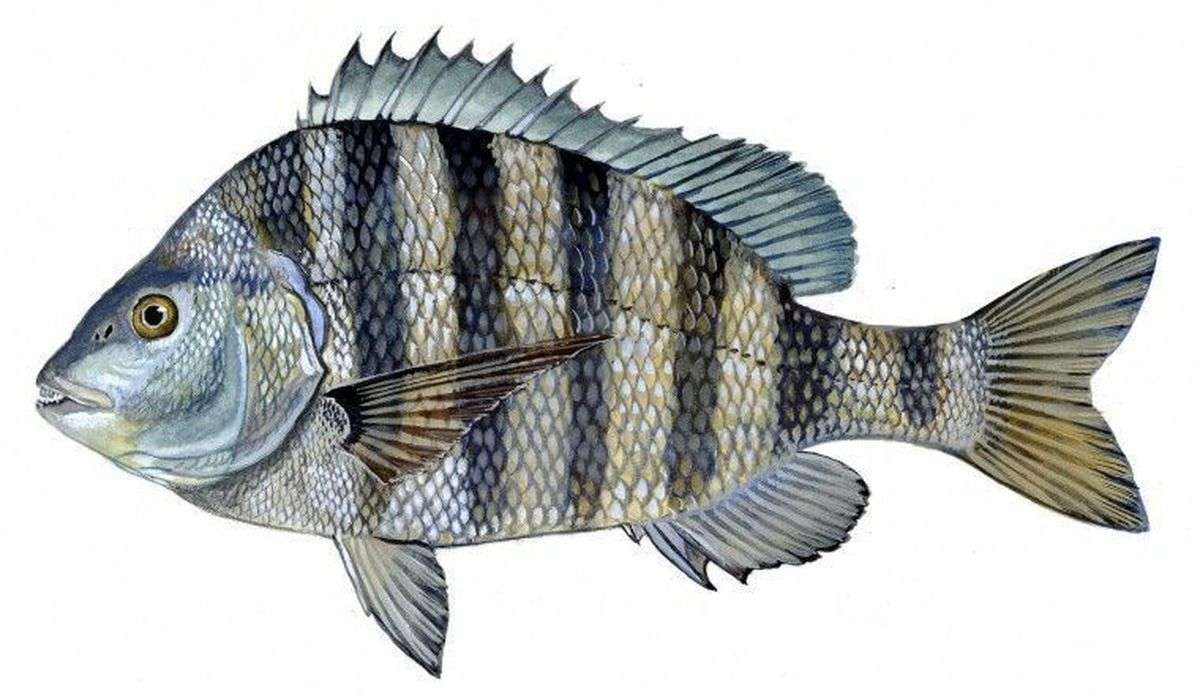
Sheepshead earn their nickname as the "convict fish" thanks to those distinctive black vertical stripes running down their silver sides. These crafty bait-stealers hang around any structure with barnacles and oysters, using their human-like teeth to crunch crustaceans. They're tricky to hook because they're notorious for nibbling bait right off your hook, but once connected, they put up a scrappy fight. Winter months from December through March are prime time for sheepshead, when they school up in larger numbers around docks and jetties.
Sea Trout, or speckled trout, are the bread-and-butter species that keep rods bending throughout the year. These spotted beauties average 14 to 18 inches but can push 6 pounds during peak seasons. They love grass flats and drop-offs where they ambush shrimp and small fish. Spring and fall offer the most consistent trout action, though summer dawn and dusk fishing can be phenomenal. What anglers love about specks is their willingness to hit both live bait and artificials, plus they're excellent table fare when properly prepared.
Redfish are the crown jewel of Georgia inshore fishing, with their bronze flanks and distinctive black spots making them instantly recognizable. These powerful fish average 18 to 27 inches (slot size) but can exceed 40 pounds when fully mature. Reds are year-round residents that patrol oyster bars, creek mouths, and shallow flats looking for crabs and baitfish. Their explosive strikes and bulldogging runs make them a customer favorite, especially when they're found in schools during fall months. The sight of a red's back fin and tail breaking the surface while feeding in skinny water gets every angler's heart racing.
Time to Book Your Spot
This family-friendly charter delivers exactly what it promises – consistent action, patient instruction, and memories that'll last long after the fish stories start growing. Captain Kennedy's reputation for putting beginners on fish while keeping everyone safe and engaged makes this one of the most sought-after trips in the Golden Isles. With all gear, licenses, and cleaning service included, you just need to show up ready to fish. The $50 per additional guest rate makes it affordable for larger families, and the 3-hour duration is perfect for shorter attention spans. Book your dates early, especially during peak spring and fall seasons when the fishing is world-class and calendar spots fill up fast.
Learn more about the species
Black Drum
Black Drum are the heavyweights of our inshore waters, and you'll hear them coming before you see them - they make actual drumming sounds with their swim bladders. These bruisers typically run 10-30 pounds around St. Simons, with their crushing jaws built for demolishing oysters and crabs. Look for them around oyster beds, creek mouths, and shallow flats, especially during spring spawning season when they school up tight. They're incredible fighters that will test your drag, making them perfect for getting kids excited about big fish. The smaller ones under 15 pounds are great eating with sweet, firm meat. Here's the local secret: fresh blue crab or fiddler crab on a Carolina rig works magic, but don't set the hook too fast - let them run with it for a few seconds first. They have hard mouths, so keep steady pressure once you're hooked up.
Redfish
Redfish are the crown jewel of our inshore fishing - bronze backs with distinctive black spots near their tails that make them unmistakable. These copper-colored fighters typically run 18-27 inches in our waters and put up battles that'll test both your drag and your patience. They cruise our shallow flats, oyster bars, and creek mouths year-round, but fall and winter offer the most consistent action. What makes reds special is their explosive strikes and bulldogging fights - they'll make multiple runs and test every knot. Plus they're excellent eating when kept within slot limits. The meat is firm and slightly sweet, perfect for the grill. My go-to method is sight fishing the flats with live shrimp or gold spoons, but here's the insider tip: cast past them and work your bait into their path. Reds spook easily when you drop baits right on their heads, so patience pays off big time.
Sea Trout
Spotted Sea Trout, or "specks" as we call them locally, are perfect for beginners since they bite eagerly and fight with decent spirit. These silver beauties with black spots average 14-18 inches and love our grass flats and shallow bays. They're most active during cooler months and bite best on moving tides, especially early morning and late afternoon. Kids get hooked on the consistent action, while parents appreciate their mild, tender meat that's fantastic grilled or blackened. Specks will hit live shrimp, soft plastics, and topwater plugs with equal enthusiasm. The trick around here is working the edges of grass beds in 3-6 feet of water. Keep your retrieve slow and steady - they often follow before striking. When you hook up, don't horse them since their mouths are soft. Easy pressure and you'll boat more fish than you lose.
Sheepshead
Sheepshead are the convicts of our waters with their black and white prison stripes, but they're also master thieves when it comes to stealing bait. These 2-5 pound tricksters hang around any structure - dock pilings, oyster beds, and bridge supports - using their human-like teeth to crunch barnacles and crabs. Spring brings the best action when they move shallow to spawn, though we catch them year-round. Families love the challenge since sheepshead require finesse and patience, plus they're outstanding table fare with sweet, flaky meat. The key is getting tight to structure with fresh shrimp or fiddler crab on a small hook. Here's what most folks miss: when you feel that subtle nibble, set the hook immediately and hard - they'll strip your bait clean if you hesitate. Keep your rod tip up and fight them away from the pilings quick.
Southern Flounder
Southern Flounder are the masters of disguise around here - flat as a pancake with both eyes on one side of their head. These ambush predators bury themselves in sand and mud along our shallow flats, waiting to grab shrimp, crabs, and small fish that swim by. Most run 15-18 inches and weigh around 5 pounds, though you might hook into a doormat pushing 20+ pounds. They're year-round residents but bite best in fall and winter when they're fattening up. Kids love the weird factor of catching a "two-eyed pancake fish," and adults appreciate the sweet, flaky white meat - some of the best eating in the marsh. My tip: fish slow with live shrimp on the bottom near oyster bars and creek mouths. When you feel that subtle tap-tap, count to three before setting the hook - they like to mouth the bait first.
About the HighHook
%2F%2Fusers%2Fa4b1b40c-85d4-49f0-b202-8dcba85ea67d%2Fvehicle_picture%2Fkennedyfishingboat-mrld2274.jpg&w=1920&q=75)
Vehicle Guest Capacity: 6
Manufacturer Name: Suzuki
Maximum Cruising Speed: 40
Number of Engines: 1
Horsepower per Engine: 200